Gwalior is one of the oldest historically significant cities in India, with its roots extending back more than two thousand years. The region finds mention in early inscriptions, legends, and archaeological remains, indicating its importance as a strategic and cultural center in ancient India.
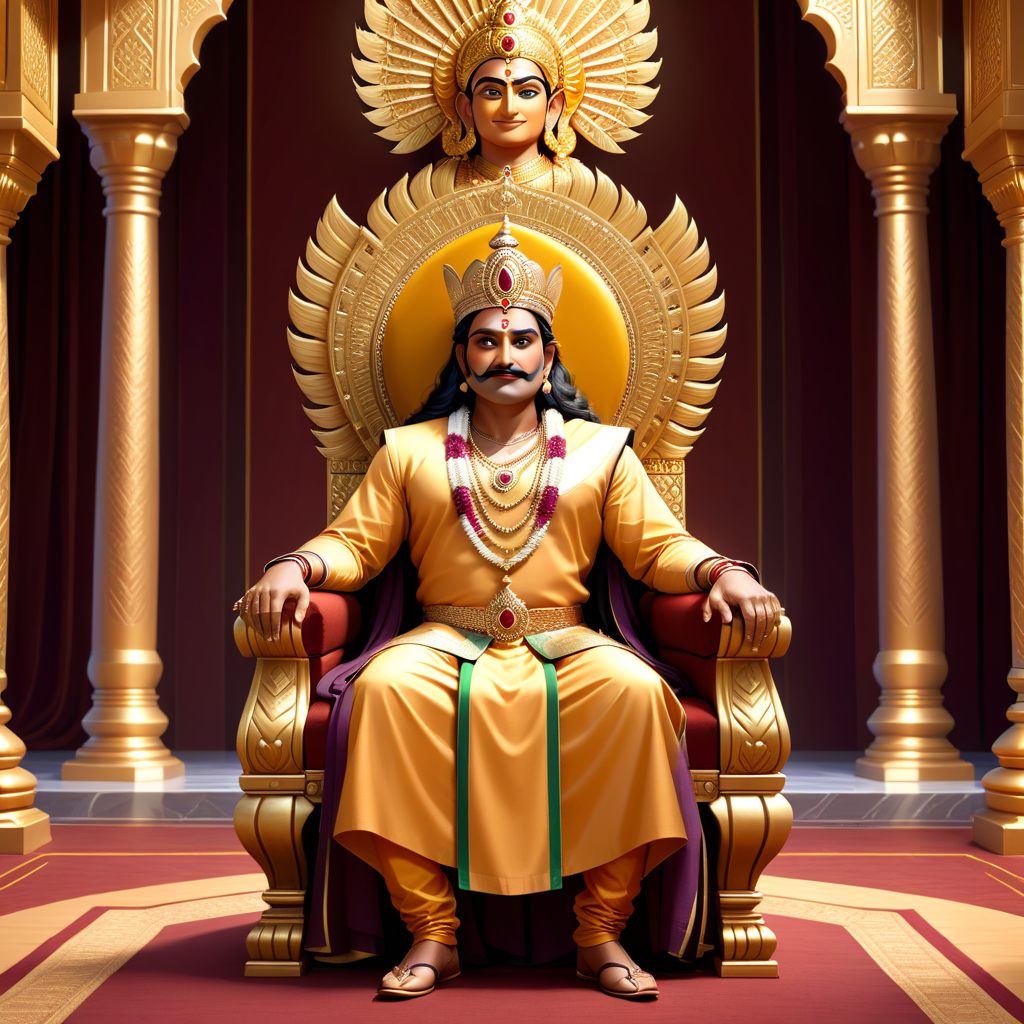
The city derives its name from Saint Gwalipa, a revered sage who lived in the area. According to legend, King Suraj Sen was cured of a severe illness by the saint in the 8th century CE, after which he constructed a fort on the hilltop and named it Gwalior in his honor. This fort later grew into the famous Gwalior Fort, which became the nucleus of the city.
In ancient times, Gwalior came under the influence of powerful Indian dynasties such as the Mauryas (3rd century BCE) and the Guptas (4th–6th century CE). During the Gupta period, often considered the golden age of Indian history, the region witnessed advancements in art, religion, and administration. Gwalior also held strategic importance due to its location along major trade and military routes connecting northern and central India.
Urban Development & Infrastructure
Connectivity Transportation & Growth
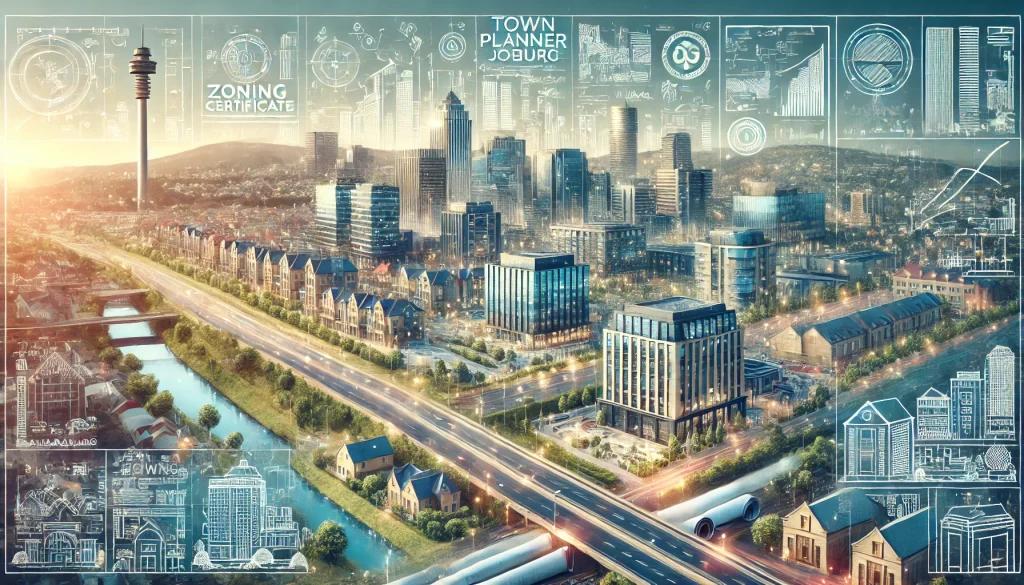
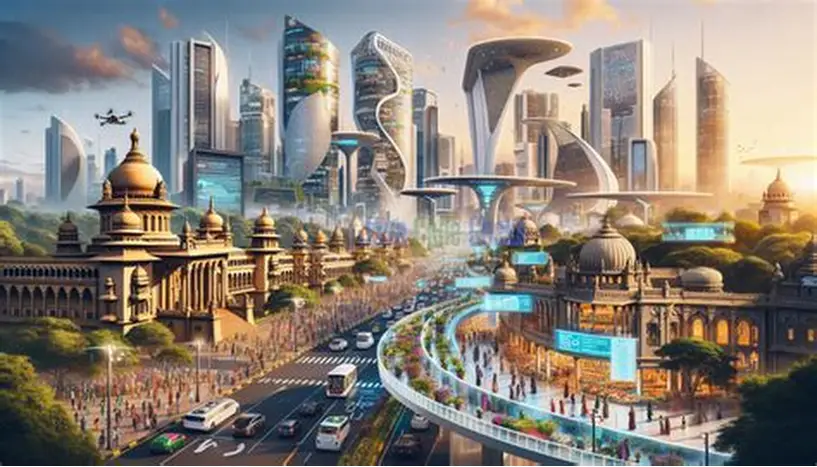
Gwalior is well connected through an expanding network of national and state highways, linking it to major cities such as Delhi, Agra, Jhansi, Bhopal, and Indore. The development of flyovers, widened roads, and improved traffic management systems has enhanced intra-city mobility. Public transport services, including city buses and shared mobility options, support daily commuting. Urban expansion has led to the development of modern residential townships, apartment complexes, and commercial hubs in areas such as City Centre, Thatipur, Govindpuri, Lashkar, and Morar. These zones feature improved civic amenities, green spaces, and planned layouts.
Our Culture & Our Pride
Cultural Extravaganza
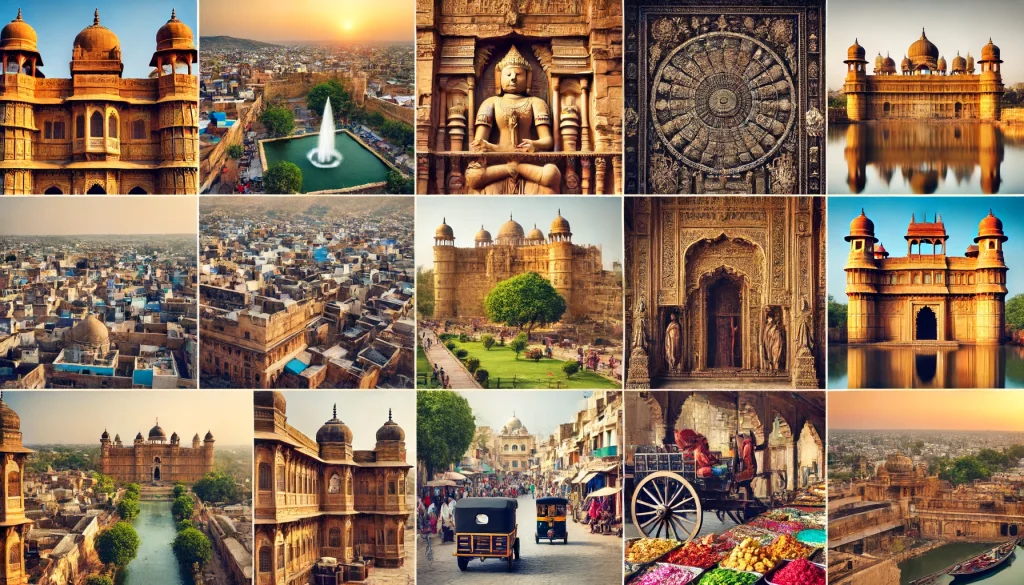
Gwalior offers a rich and immersive cultural tourism experience where history, music, art, and living traditions come together. The city is not just a destination to see monuments, but a place to experience India’s cultural soul through its heritage, festivals, music, and everyday life.
Cultural festivals form the heart of Gwalior’s experiential tourism. Events like the Tansen Music Festival, Gwalior Trade Fair, and heritage festivals showcase classical music, folk performances, crafts, and local cuisine. These festivals offer visitors a chance to interact with artists, artisans, and local communities.
Tourist Places Of Gwalior
Heritage & Living History OF Gwalior
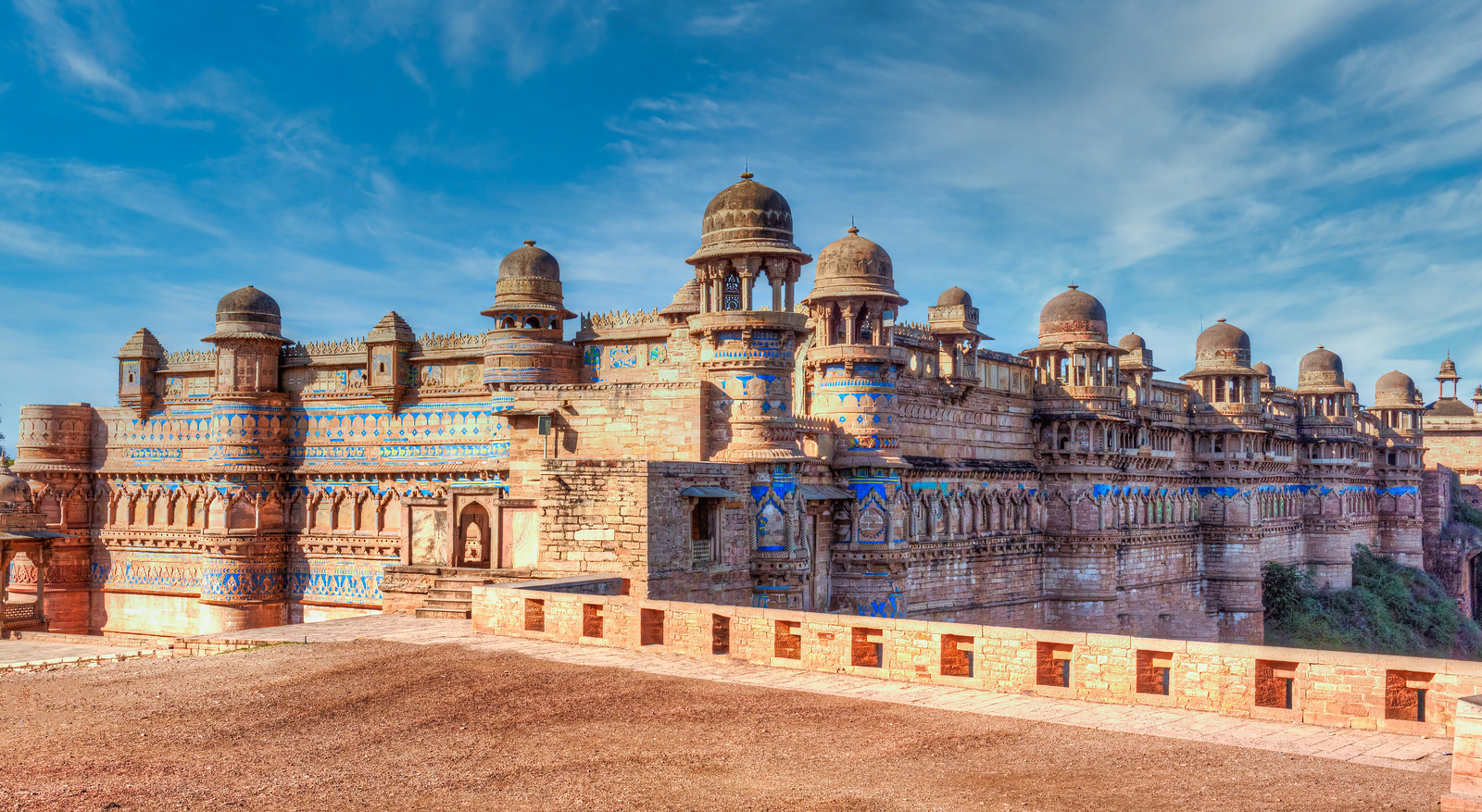
The most iconic landmark of the city, Gwalior Fort stands majestically on a rocky hill and offers panoramic views. It houses palaces, temples, water tanks, and ancient Jain sculptures.Located inside the fort, this palace is famous for its colorful tile work, intricate carvings, and royal chambers built by Raja Man Singh Tomar.A grand palace reflecting European architectural influence, Jai Vilas Palace showcases royal artifacts and one of the world’s largest chandeliers.An 11th-century Hindu temple known for its detailed carvings and architectural beauty, dedicated to Lord Vishnu.The tallest temple in Gwalior, combining Nagara and Dravidian architectural styles, dating back to the 8th–9th century.Massive ancient Jain statues carved into the fort’s cliffs, representing Tirthankaras and showcasing remarkable craftsmanship.
Local Busines& Markets
Local Markets of Gwalior
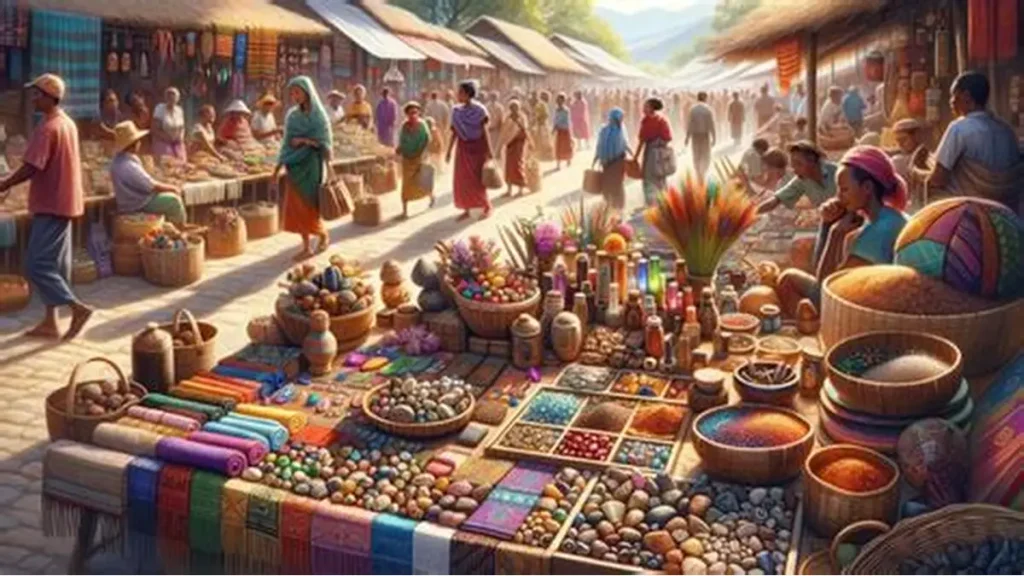
Gwalior’s local cuisine and bustling markets reflect the city’s rich culture, royal heritage, and everyday traditions. Food and shopping here are not just activities but experiences that connect visitors with the city’s authentic lifestyle.Visitors can shop for local handicrafts, traditional fabrics, bangles, metalware, and souvenirs that reflect Gwalior’s heritage. Street shopping is affordable and lively, while malls provide a comfortable modern alternative. Evenings in Gwalior come alive with food streets and roadside stalls serving chaat, chole-bhature, bhutte ka kees, and seasonal treats. These vibrant food spots are perfect for experiencing the city’s flavors in a casual, lively atmosphere.
Railway & Local Transport
local transportation
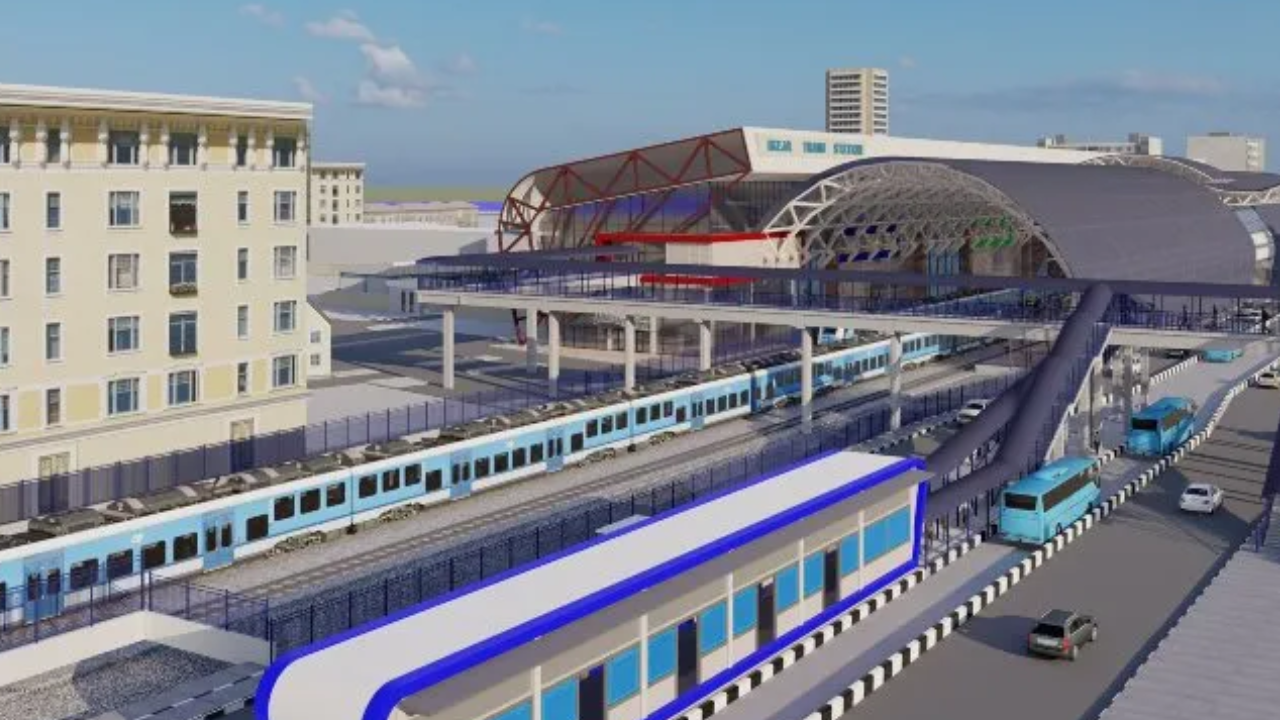
Gwalior is an important railway hub in northern Madhya Pradesh, offering excellent connectivity to major cities across India. Rail transport plays a vital role in the city’s mobility for both long-distance travelers and daily commuters.Gwalior Junction (GWL) is a major railhead located on the Delhi–Chennai and Mumbai–Howrah routes. The station is well-equipped with modern amenities and connects Gwalior to key cities such as Delhi, Agra, Jhansi, Bhopal, Indore, Mumbai, Kolkata, Chennai, and Bengaluru through express and superfast trains.
Economy & Industry in Gwalior
Trade & Commerce
Trade and commerce form the backbone of Gwalior’s economy. The city functions as a major commercial hub for surrounding districts, with wholesale and retail markets supplying agricultural produce, consumer goods, textiles, and daily necessities. Traditional bazaars coexist with modern shopping complexes and business centers. Gwalior hosts numerous small and medium enterprises (SMEs) involved in food processing, handicrafts, metalwork, stone carving, textiles, and furniture making. These industries provide employment and preserve traditional skills passed down through generations.Gwalior benefits from nearby industrial corridors and defense establishments, supporting logistics, manufacturing, and technical services.
0%
Happiness
0%
Tourism
0%
People Visit
0%
Rich heritage
Our vision is to shape Gwalior as a vibrant heritage city that honors its glorious past while embracing sustainable growth, cultural pride, and modern development. We aim to promote tourism, preserve history, strengthen community well-being, and create a welcoming city that inspires residents and visitors alike.